How to Avoid Losing Discs: Simple Habits That Save Money Fast
Losing discs is one of the fastest (and most frustrating) ways to make disc golf more expensive. The good news: most lost discs aren’t “bad luck.” They’re usually the result of a few preventable habits—rushing, not watching shots, or taking risky lines when you don’t need to.
This guide is packed with simple, beginner-friendly habits to help you avoid losing discs, keep your bag complete, and save money fast.
Why Discs Get Lost (The 4 Most Common Reasons)
- No one watched the full flight (easy to lose a disc even in short grass)
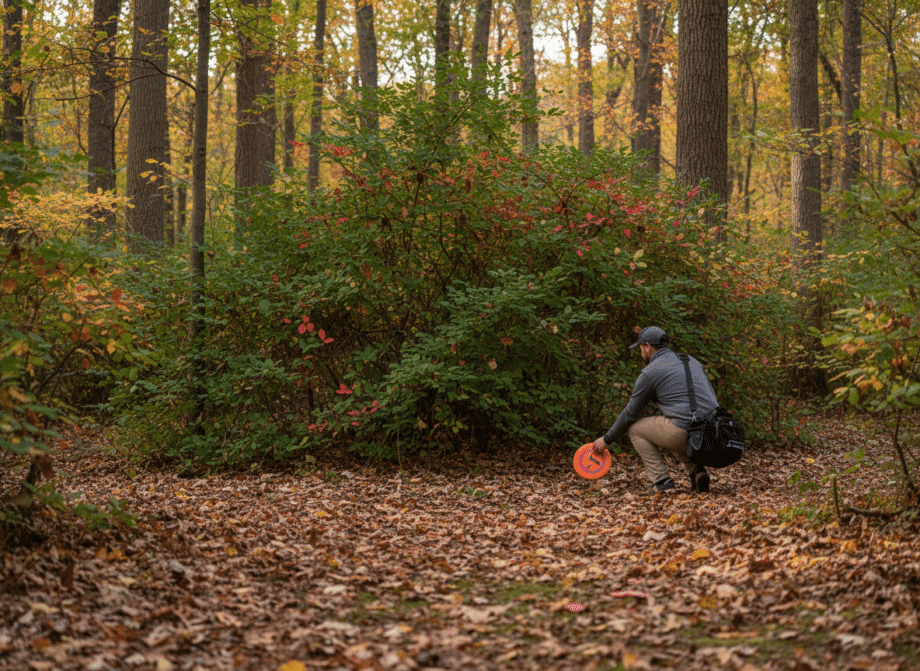
- Bad kick into rough (woods, tall weeds, thorny areas)
- Water hazards (ponds, creeks, drainage ditches)
- Leaving a disc behind after an upshot or practice throw
Habit #1: Watch Every Shot All the Way to the Ground
This sounds obvious, but it’s the #1 disc-saving habit. Most lost discs happen because the thrower (or the card) looked away too early.
Do this every throw
- Pick a specific landmark near where it lands (tree, bush, patch of dirt)
- Say it out loud: “Left of the big pine” or “short of the bench”
- If you’re playing with friends, assign a spotter on blind holes
Beginner tip
If you’re not sure where it landed, don’t keep walking forward hoping you’ll “see it.” Stop and re-check the line from the tee pad area while it’s still fresh.
Habit #2: Use Bright, Easy-to-Find Colors (Especially in Your Area)
Color matters more than most people think. A disc that looks cool can still be a nightmare to find in your local conditions.
Quick color guide
- Green courses / summer grass: avoid green and dark colors
- Fall leaves: avoid red/orange/brown
- Snow: avoid white/light gray
- Woods: bright pink, bright blue, neon yellow tend to pop
Habit #3: Play “Safe Miss” Lines (Don’t Aim at Trouble)
If you’re a newer player, your goal is consistency—not hero shots. A safer line often saves you strokes and saves your disc.
Ask yourself before you throw
- If I miss, where does the disc go?
- Is my “miss” in fairway grass… or deep rough/water?
- Can I choose a disc/angle that keeps the miss in a safer area?
Simple rule
Aim away from the worst trouble. If the pond is right, aim left-center even if it’s not the “perfect” line.
Habit #4: Club Up or Down to Stay in the Fairway
Many lost discs happen when players throw a disc that’s too fast or too overstable for their arm speed—so it fades hard into the rough.
If you’re trying to keep discs in play, lean into slower, straighter discs that you can control.
Beginner-friendly approach
- Use a midrange when accuracy matters
- Use a fairway driver only when you have room to miss
- Save high-speed drivers for open holes (or later as your form improves)
If you want easier-to-control options, start here: Browse Divergent Discs (all discs).
Habit #5: Mark Your Lie and Do a “Disc Count” Before You Walk Away
Leaving a disc behind is more common than people admit—especially after an upshot, a scramble, or a quick practice toss.
Use a simple routine
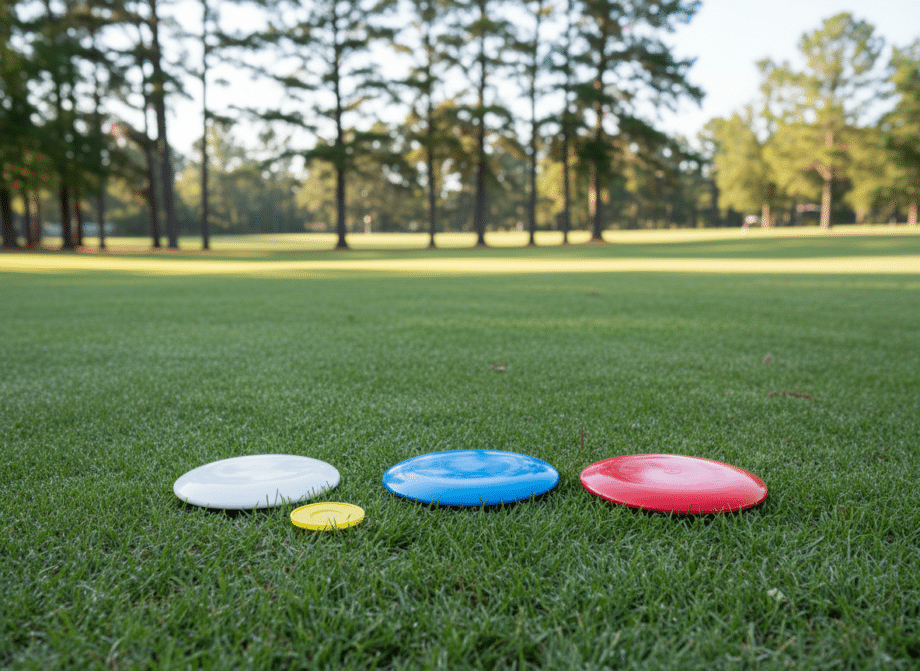
- After you throw an upshot, place your mini marker (or bag) by your lie
- When you pick up your mini, do a quick scan: “Do I have all my discs?”
- Before leaving the green, look back once (takes 2 seconds)
Mini markers make this routine easier: Mini Markers.
Habit #6: Don’t Throw “Mystery Shots” on Blind Holes
Blind holes (or holes with a hill/turn) are where discs disappear fast.
Safer options
- Throw a controlled shot you know stays in the middle
- If you’re with a group, have someone spot from a safe location
- If you’re solo, consider a shorter placement shot first
Habit #7: Write Your Name and Number (It Works)
This doesn’t prevent a disc from getting lost—but it dramatically increases the odds of getting it back.
Best practice
- Use a permanent marker on the underside of the flight plate
- Include first name + phone number
- Optional: add “text me” (many people prefer texting)
What to Do If You Still Lose One
Even with great habits, it happens. Here’s the smart way to handle it:
- Search for 3–5 minutes, then re-check the flight line from the throw point
- Look for “likely landing zones” (skip, roll, fade direction)
- If it’s in water, don’t risk your safety—especially in fast current or unsafe conditions
- If you find someone else’s disc, contact them (disc golf karma is real)
Helpful Links (Divergent Discs)
- Disc Golf Discs (build a simple, controllable bag)
- Mini Markers (mark lies and reduce “left behind” discs)
- Starter Sets (easy way to replace a lost disc and keep practicing)
Final Thoughts: Save Money by Playing Smart
The easiest way to save money in disc golf is to stop donating discs to ponds and thorn bushes. Watch every shot, choose safer lines, throw controllable discs, and build a quick “disc count” routine.