Common Beginner Disc Golf Questions Answered: No Dumb Questions Here
Everyone starts somewhere. Whether you’ve played one round or you’re still wondering what those baskets are doing in the park, it’s normal to have questions about disc golf.
The good news? You don’t need to know every rule or own a stack of discs to get started. Let’s answer some of the most common beginner questions so you can head to the course feeling a little more confident.
What Is Disc Golf?
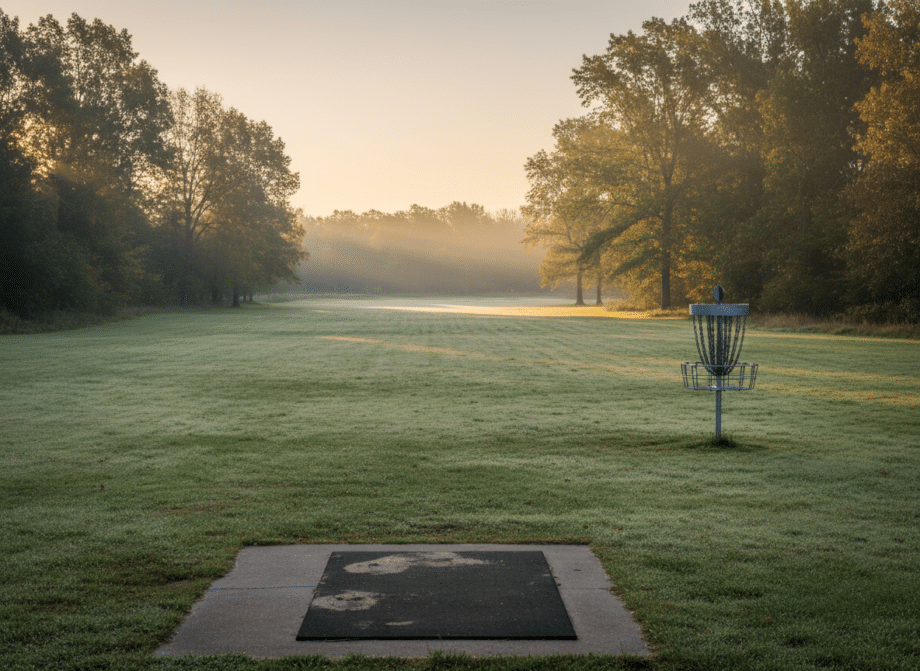
Disc golf is a game where players throw a flying disc toward a metal basket. The goal is to get your disc into the basket in as few throws as possible.
Like traditional golf, a course has a series of holes. But instead of clubs and balls, you use discs—and instead of a hole in the ground, you aim for a basket with chains.
How Do I Play a Hole?
Start at the tee area and throw toward the basket. Then walk to where your disc landed and throw again from behind that spot. Keep throwing until your disc comes to rest inside the basket or in its chains.
Count each throw you make. That number is your score for the hole. Move to the next tee and repeat until you’ve finished the course—or until you’re ready to call it a day.
How Many Discs Do I Need to Start?
You can play your first round with just one disc. A comfortable putter or midrange is a great place to begin.
- Putter: Helpful for short throws and putting into the basket.
- Midrange: A versatile choice for controlled throws at moderate distances.
- Driver: Designed for longer throws, though some drivers can be harder for beginners to control.
There’s no need to buy a full bag of discs right away. If you’d like help choosing a small starter lineup, check out your first three discs: what to buy first and what to skip.
Can I Use a Regular Flying Disc?
For a casual introduction, you can try throwing a regular flying disc toward a target in a safe, open space. However, disc golf discs are designed specifically for the sport and are usually smaller and heavier than the flying discs used for catch.
A disc golf putter is often a comfortable first choice if you want to try playing on a course.
What Do the Numbers on a Disc Mean?
Many disc golf discs have four flight numbers: speed, glide, turn, and fade. These are a general guide to how a disc may fly—not a guarantee.
- Speed: How fast a disc generally needs to be thrown to fly as intended. A higher number doesn’t automatically mean more distance for every player.
- Glide: How well the disc tends to stay in the air.
- Turn: How much the disc tends to drift during the faster, early part of its flight.
- Fade: How much the disc tends to curve as it slows down near the end of its flight.
Your throwing speed, angle, and wind conditions can all affect what you see. Don’t worry about memorizing every number—just start with a disc that feels good and enjoy learning how it flies.
Why Does My Disc Keep Going Left?
If you throw backhand with your right hand, many discs naturally finish to the left as they slow down. If you throw backhand with your left hand, that finish is usually toward the right.
A disc may also fade early if it needs more throwing speed than you can comfortably give it. That doesn’t mean you’re doing anything wrong. Try a putter or beginner-friendly midrange and focus on a smooth, relaxed throw rather than throwing as hard as you can.
Do I Have to Throw Far to Have Fun?
Not at all! Plenty of players enjoy disc golf without throwing long distances. Accurate short throws, a good putt, and time outdoors with friends can be just as satisfying.
Start at a distance that feels comfortable and celebrate the small wins. Getting closer to the basket than last time is progress worth enjoying.
How Does Scoring Work?
Count every throw it takes to complete a hole. If you throw three times before your disc comes to rest in the basket, your score for that hole is three.
Each hole may also have a suggested score called par. On a par-three hole, finishing in three throws is called “par,” while finishing in two is a “birdie.” Your total score is the number of throws you take across all the holes you play.
Penalty throws can add to your score in formal play, but during your first casual rounds, it’s perfectly fine to focus on learning the basics and having fun.
What Should I Do If Other Players Are Behind Me?
If a faster group catches up and there’s room ahead, you can offer to let them play through. That means stepping safely aside and allowing them to finish the hole before you continue.
A simple “Would you like to play through?” is all you need. Most players remember what it was like to be new and appreciate a friendly conversation.
What Are the Most Important Safety and Etiquette Tips?
- Wait until the area is clear. Never throw toward people, pets, or other park users.
- Give other players space. Stay behind the person throwing and avoid distracting them.
- Take care of the course. Pack out your trash and respect trees, plants, wildlife, and park rules.
- Be kind and patient. Everyone is out there to enjoy the day.
If you’re unsure where the next hole goes, it’s okay to ask another player or check a course map. Never throw if you can’t tell whether the landing area is clear.
What Should I Do If I Find Someone Else’s Disc?
Check the disc for a name and contact information. If there’s a phone number, send a message and arrange a reasonable way to return it. Some courses or local shops also have designated lost-disc drop spots.
It’s a good idea to write your own name and contact information on your discs, too. For more tips, read what to do if you find someone else’s disc.
Do I Need a Practice Basket to Get Better?
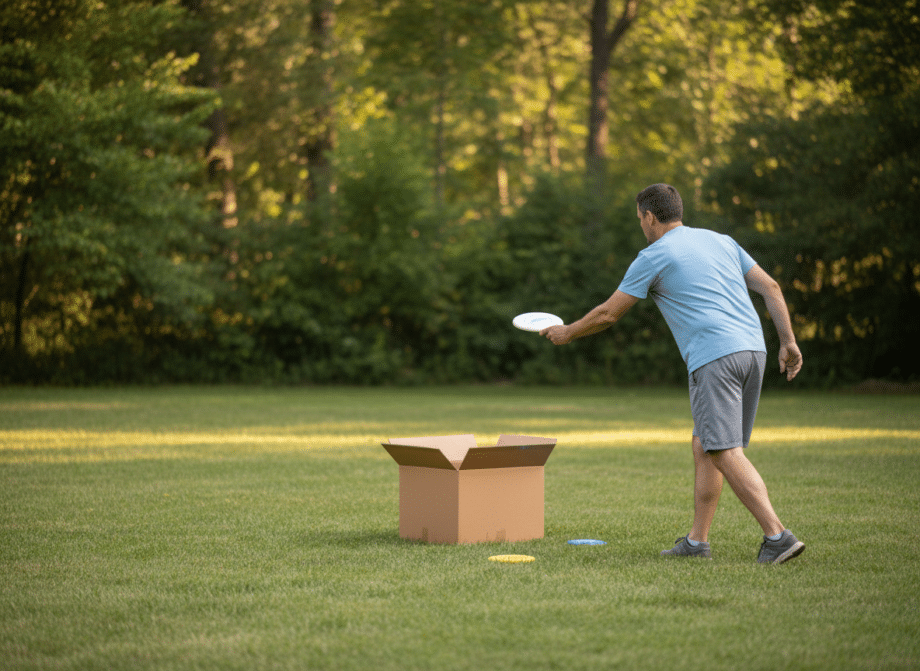
No. A cardboard box or towel can make a simple target for short throws. Practice in a safe open area away from people, pets, cars, and windows.
A few minutes of aiming at a target can help you become more comfortable with your disc. For ideas to try at home or in a park, check out these practice drills without a basket.
Is It Okay to Play Alone?
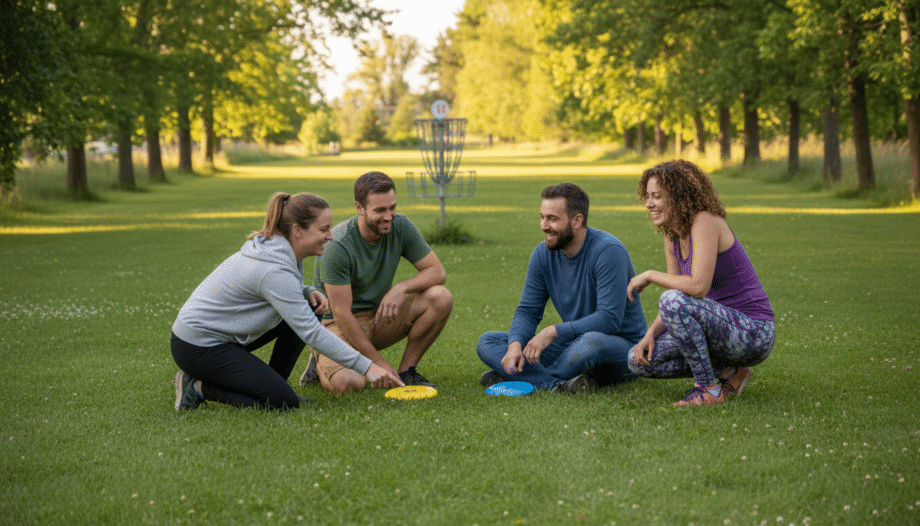
Absolutely. A solo round can be a relaxing way to get outside and play at your own pace. You can also invite a friend or join a casual local group when you’re ready for company.
There’s no single right way to enjoy disc golf. Just follow course rules, stay aware of your surroundings, and have fun.
Ready to Give Disc Golf a Try?
You don’t need perfect form, a huge collection of discs, or all the answers to enjoy your first round. Grab a comfortable disc, find a course, and give yourself permission to learn as you go.
What’s one disc golf question you’ve always wanted to ask? Share it with us—we’re happy to help fellow players get started.