
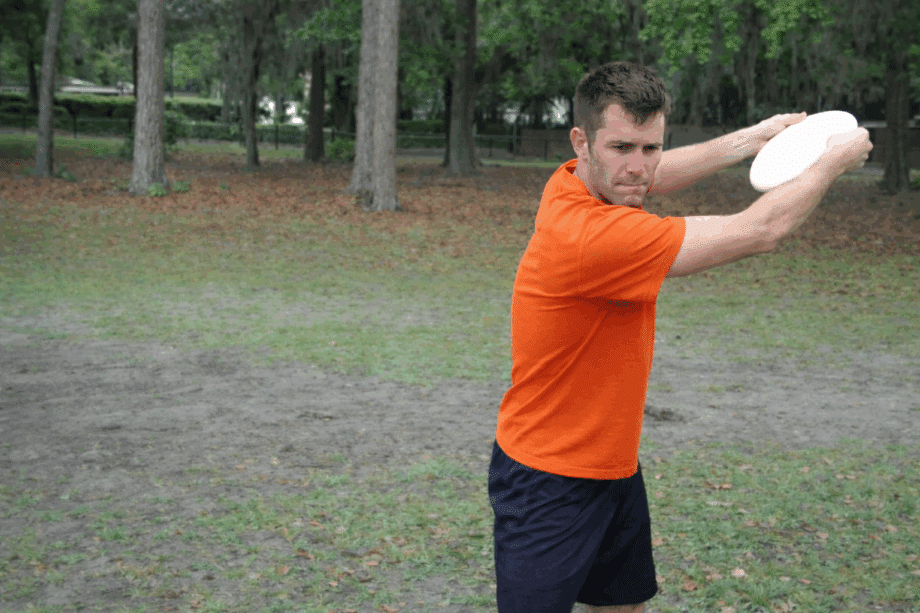
Who this tutorial is for
- Brand-new players learning their first consistent throw
- Casual players who want straighter flights with less effort
- Anyone getting wobble, nose-up throws, or early fades
What a good backhand throw is supposed to feel like
A clean backhand feels like a smooth pull and a quick “pop” at the end—not a wild swing. Most distance and accuracy comes from:
- Timing (weight shift + hips + arm working together)
- A straight pull (disc moves on a clean line)
- A flat release (disc level to the ground)
For beginners, a putter or midrange is the fastest way to learn clean form. If you need a reliable starting point, a Narwhal putter is a great “teacher” disc because it rewards smooth, clean releases.
Quick setup before you throw
Pick the right disc (this matters more than most people think)
- Best for learning: putters and midranges
- Save drivers for later: drivers exaggerate form mistakes and can feel “uncontrollable” early on
Grip (simple and effective)
Use a comfortable grip that feels secure but not tense. You want firm fingers and a relaxed arm/shoulder.
- Too loose: disc slips early
- Too tight: you get wobble and lose touch
Athletic stance
- Knees slightly bent
- Chest tall
- Shoulders relaxed
- Eyes on the target
Step-by-step: how to throw a backhand
1) Start sideways to the target
If you’re right-handed, your left shoulder should point toward the target (lefties: reverse). This sets you up to rotate smoothly.
2) Reach back smoothly (don’t swoop)
Reach back on a level line. Avoid dipping the disc down and then lifting it up—this often causes wobble and nose-up throws.
Beginner cue
Imagine you’re pulling the disc across a table: straight and level.
3) Shift your weight (distance comes from this)
As you start the pull, your weight should move from your back foot to your front foot. This is where “easy power” comes from.
- Common mistake: staying on the back foot and arm-swinging
- Fix: feel your hips and weight move forward before the disc rips out
4) Pull through close to your chest
Keep the disc close to your body. A wide swing (“rounding”) makes the release inconsistent and usually adds wobble.
Beginner cue
“Close and straight” beats “wide and fast.”
5) Release flat (this is the accuracy cheat code)
Try to release the disc level to the ground. A flat release helps the disc fly straighter and more predictably.
- Nose-up release: disc climbs, stalls, then fades hard
- Flat release: smoother, straighter flight
6) Follow through
Let your arm continue across your body after release. A full follow-through protects your shoulder and keeps your throw smooth.
Two beginner cues that fix most problems
- Slow is smooth. Smooth timing produces better flights than muscling the disc.
- Keep it flat. Flat release = straighter flights faster.
Common backhand mistakes (and quick fixes)
Wobble out of the hand
- Relax your shoulder
- Pull on a straighter line
- Focus on a clean, flat release
Nose-up throws (disc climbs then dumps left for right-hand backhand)
- Keep the disc level through the pull
- Don’t lean back at release
- Finish balanced over your front foot
Rounding (big arcing swing)
- Pull closer to your chest
- Reach back on a straighter line
- Think “straight line, then snap”
Trying to throw 100% power
- Throw at 70% and aim for clean form
- When the disc flies straighter, distance shows up naturally
Simple practice plan (10 minutes)
Standstill drill
- Use a putter or midrange.
- Throw 10–20 standstill backhands (no run-up).
- Focus on: flat release + close pull + smooth follow-through.
- When it feels consistent, add a slow one-step.
If you’re building a bag from scratch, a beginner-friendly starter packs setup can help you learn faster because the discs are chosen to be easier to throw at lower arm speeds.
What to throw as you learn (quick guide)
- Putter: best for clean release and control
- Midrange: adds distance while staying honest about form
- Fairway driver: later, once your release is consistently clean
- Distance driver: last—these punish mistakes the most
Bonus tip: if you’re experimenting with feel and grip, checking different plastics can help you find what feels most comfortable in your hand.