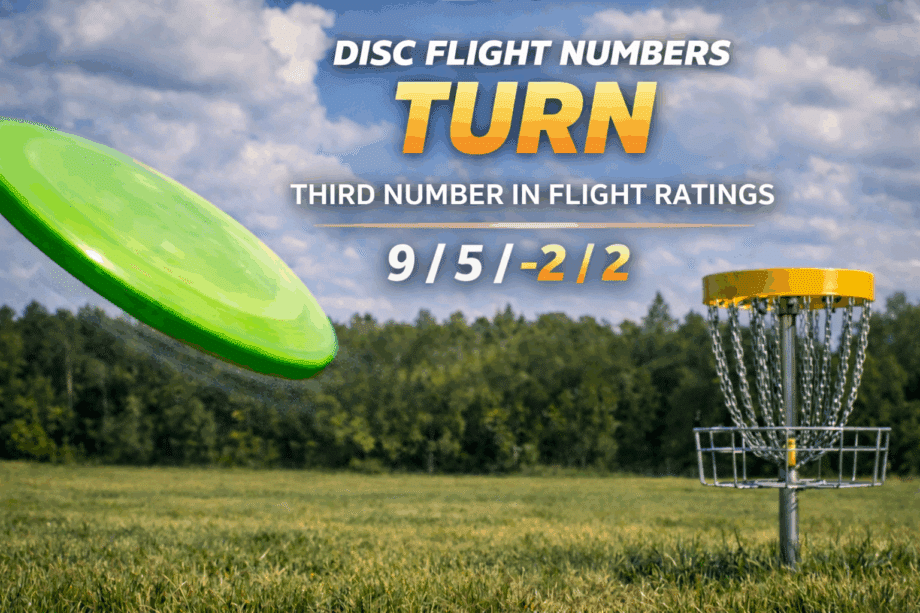

Understable vs. Overstable: Understanding Disc Golf Flight Dynamics
Choosing the right disc golf disc can make a significant difference in your performance on the course. One of the most important factors is understanding the difference between understable and overstable discs. This guide will help you select the best disc for your skill level and playing conditions.
What Does “Stability” Mean in Disc Golf?
- Stability describes how a disc flies when thrown with standard power.
- It predicts whether the disc will turn right, left, or fly straight for a right-handed backhand (RHBH) throw.
Understable Discs
- Flight Pattern: Understable discs tend to turn to the right (for RHBH) during the initial part of the flight.
- Best For:
- Beginners needing extra distance
- Players with slower arm speeds
- Throwing long, controlled turnover shots
- Benefits:
- Easier to throw straight with less power
- Excellent for tailwind shots and rollers
Overstable Discs
- Flight Pattern: Overstable discs tend to fade left (for RHBH) at the end of the flight.
- Best For:
- Experienced players with faster arm speeds
- Throwing into headwinds
- Reliable fades and hyzer shots
- Benefits:
- Predictable finish, even in windy conditions
- Ideal for sharp curves and approach shots
How to Choose the Right Disc for You
- Beginners: Start with understable discs for easier control and longer flights.
- Advanced Players: Use overstable discs for specialty shots and challenging wind conditions.
- Course Conditions: Always consider wind and obstacles when selecting disc stability.
Related Products
Conclusion
Understanding the difference between understable and overstable discs will help you select the right tool for every shot. Whether you’re maximizing distance, seeking reliable control, or playing in challenging weather, choosing the right stability is key to improving your disc golf game.